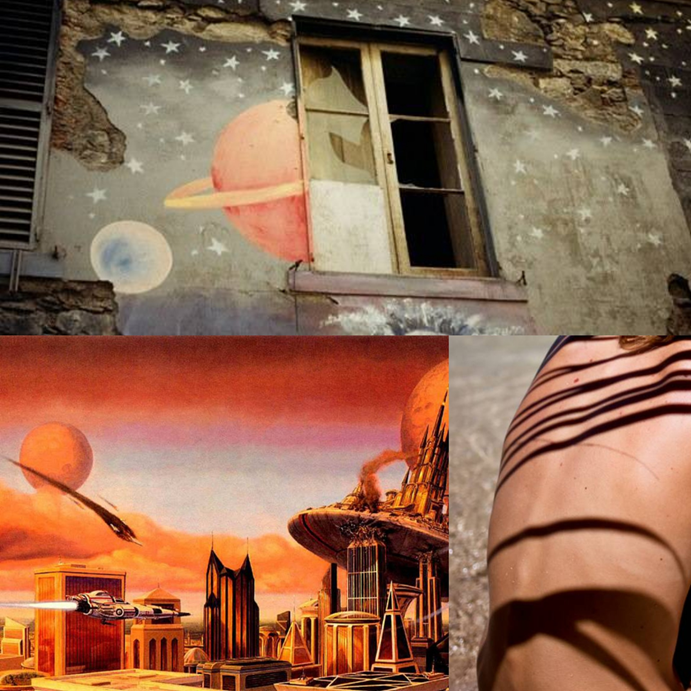
— Issue 01 · Visual sequencing

The quiet art of arranging images.

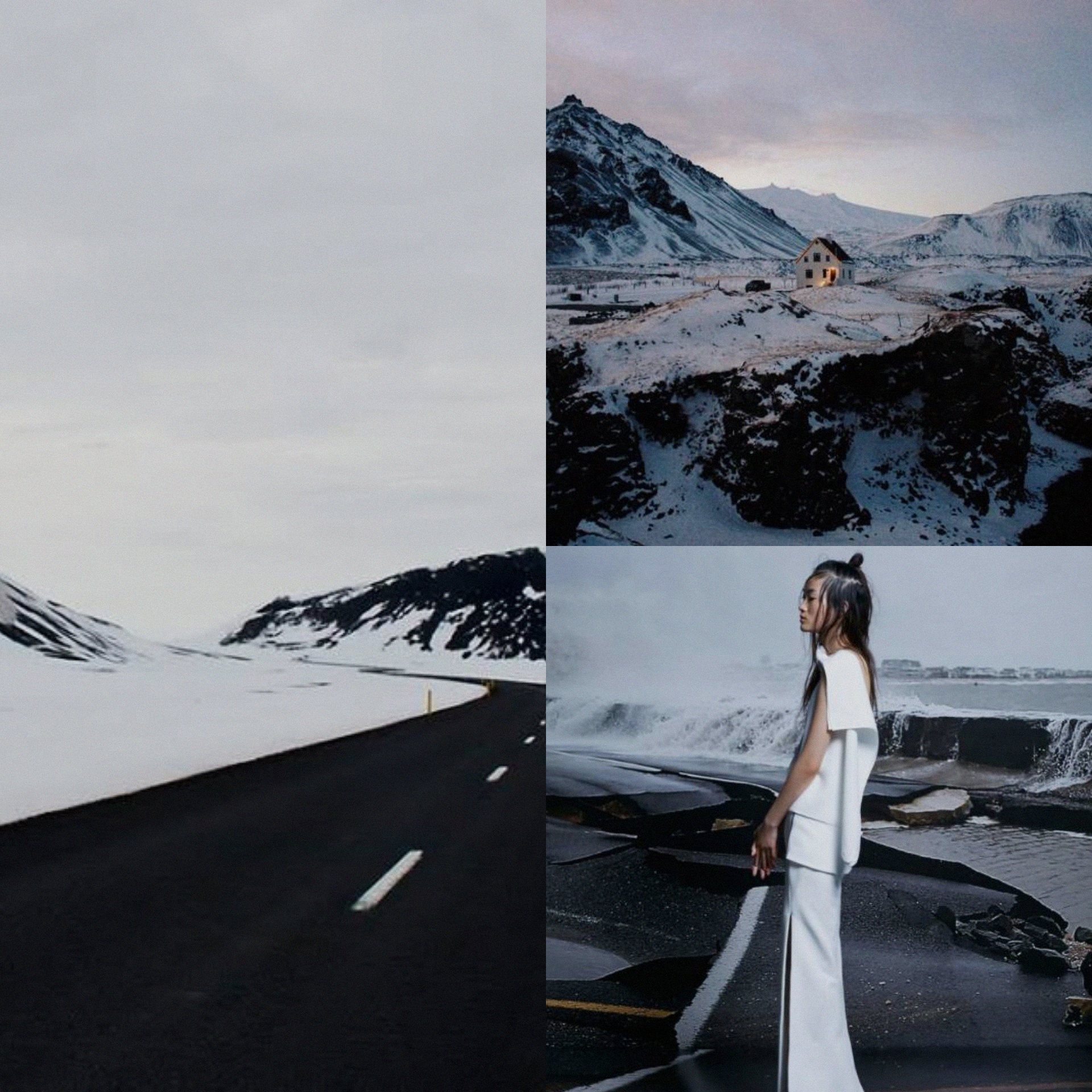
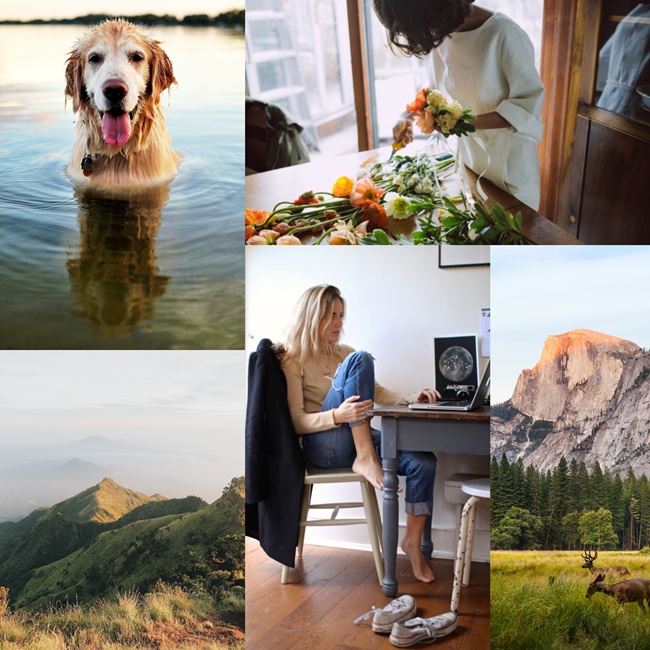
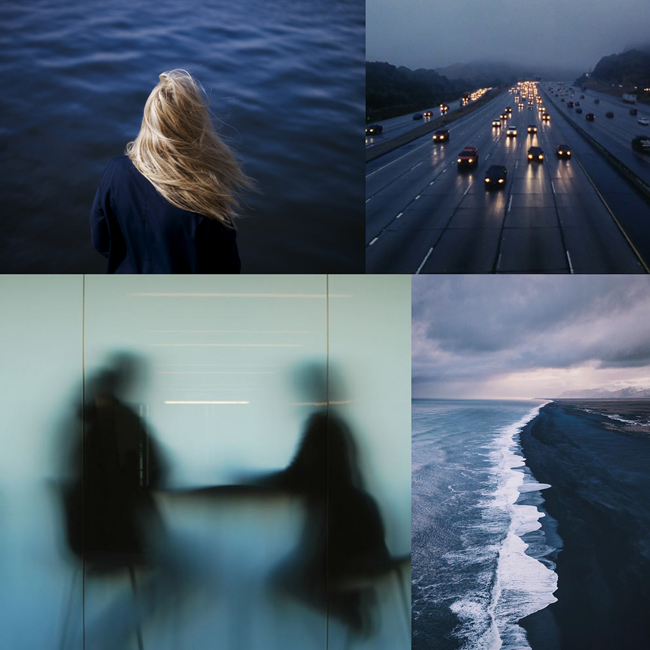
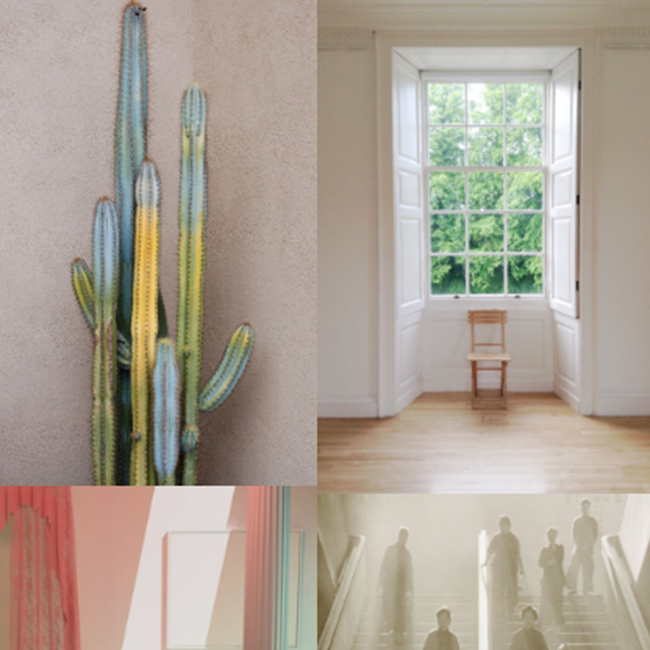
Cadence studies color, texture, and composition to sequence your photographs the way a curator would — finding rhythm where there was only a folder.

Cadence sequence example

01.
Upload up to 200 photographs
02.
Tune smoothness & variety
03.
Receive a sequenced set
04.
Post, print, publish

§ Methodology

What the algorithm sees.

Four signals, weighed against one another. The result is not sorted — it is composed.

i.

Color

Dominant palette, hue progression, saturation arc across the set.

ii.

Texture

Pattern density, surface quality, and grain character.

iii.

Composition

Edges, weight, and the implied geometry of each frame.

iv.

Light

Brightness distribution, contrast range, and overall tonal key.


— A note on sequencing

Arrangement is the difference between a pile of photographs and a sequence — between noise and narrative.


§ Selected works

Plates from the archive

View full gallery →
Color flow sequence
Plate II · Color flow
Tonal grouping
III · Tone
Composition study
IV · Form
Sequence study
V
Sequence study
VI
Sequence study
VII
Sequence study
VIII
Sequence study
IX
Sequence study
X

§ In practice

Not tagging. Not tidying.
Composing.

Most image tools organize — sort by date, detect duplicates, build folders. Cadence does something different: it reads the image itself, then arranges the set by visual feel. A few of the ways people use it.

I.
— The photographer

Eight hundred frames
from a wedding.

A full-day shoot leaves you with hundreds of edits and a tired eye. Drop them in and Cadence returns a sequence - the reception images naturally grouped, the golden-hour portraits clustered, the quiet moments falling together. Pull the cohesive groups straight into the album.
II.
— The traveller

One folder,
three weeks abroad.

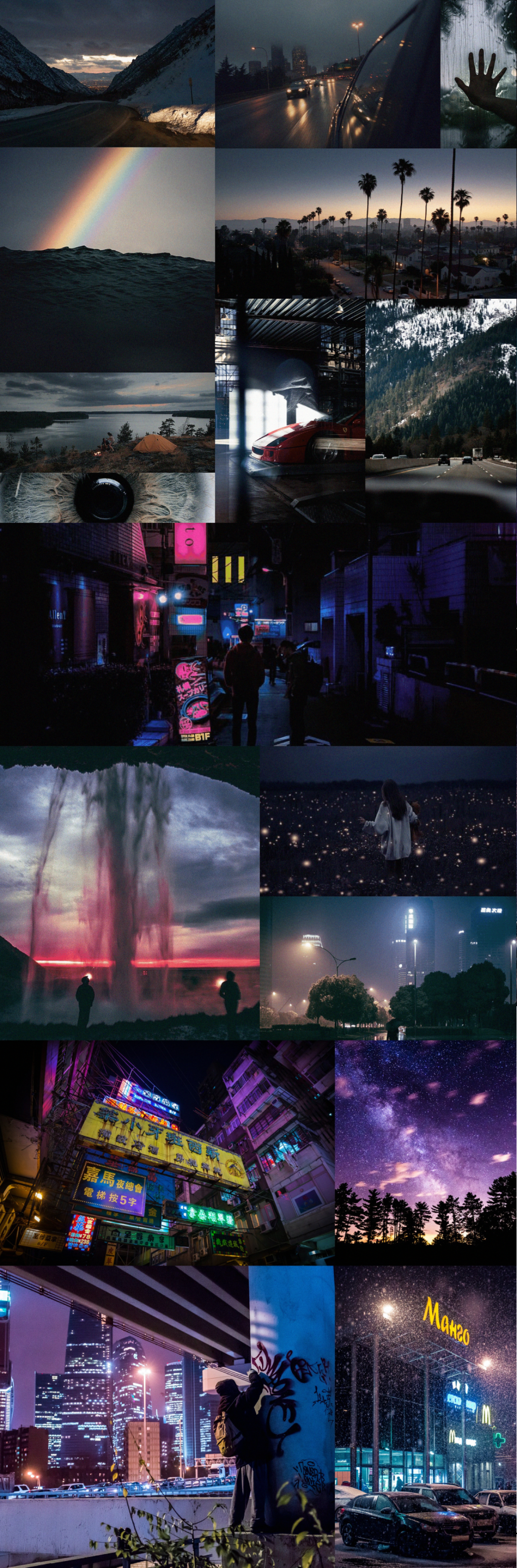
Your phone has 400 photos from Japan. You want to post nine that feel like one trip, not a random dump. Cadence finds the tonal throughline: the neon nights, the morning temples, the quiet train windows. Pick the nine that belong.

III.
— The content creator

An Instagram grid
that breathes.

Feeds that work have rhythm, a deliberate progression of color, tone, subject. Plan thirty posts in advance by sequencing a backlog of images into a flow. Each new post lands in harmony with the last, without you running the math.

IV.
— The artist

Finding the
unseen edit.

You have fifty pieces, but which twelve form a portfolio? Which belong on the same gallery wall? Cadence surfaces groupings you hadn't noticed — works that share a texture, a palette, a mood and lets you pull coherent selections in seconds.


— From a single input
Example sequence output

Three distinct groupings, produced from one unsorted folder of 200 images.


§ Subscription

Two ways to begin.

Start free. Upgrade when your work demands more room — we'll be here either way.

Free
50 images · 5 sequences daily
$0

— Closing note

Your next sequence is
a few images away.