i.
Color composition
Dominant colors and palette progression across the set.
Sequencing images the way a curator would, powered by computer vision.
Cadence was born from a simple observation: arranging images in a visually pleasing sequence is both an art and a time-consuming task. Whether you're building a portfolio, a photo essay, or curating content for social media, the flow between images matters.
We built Cadence to solve this challenge using advanced computer vision and machine learning, automating what might take hours of manual work into a process that takes seconds.
Our goal is to help photographers, designers, social media managers, and anyone working with visual content to create more compelling visual narratives with minimal effort.
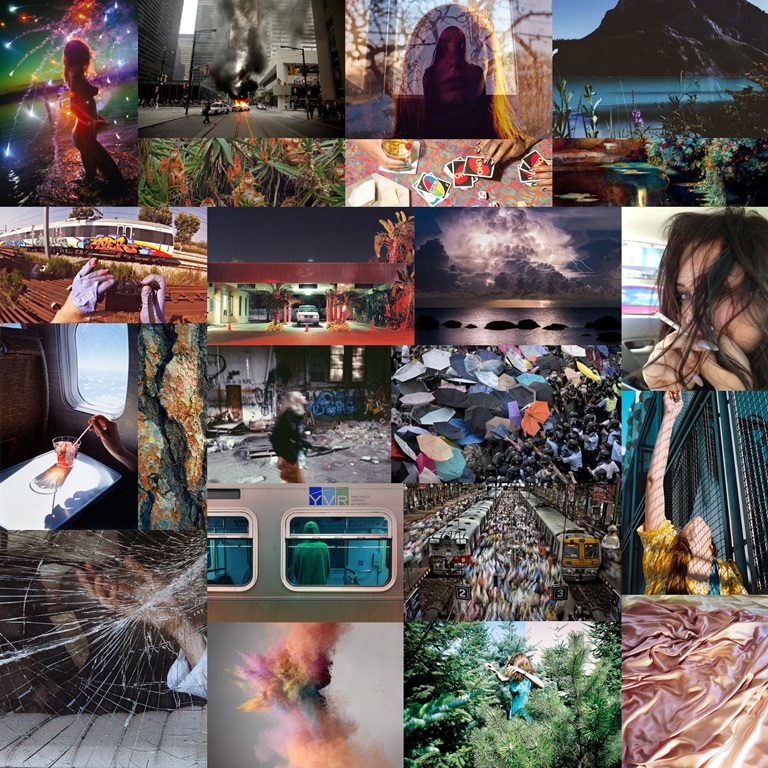
Cadence uses computer vision and machine learning to analyze your images and compose aesthetically pleasing sequences. The algorithm examines multiple visual elements:
Dominant colors and palette progression across the set.
Pattern density, light distribution, and surface character.
Shapes and compositional weight within each frame.
The technology combines K-means clustering with custom feature extraction to identify natural transitions between images. This creates visual flows that would be difficult and time-consuming to arrange manually like the ability to automatically arrange photos by color.
Unlike basic sorting tools that only look at a single dimension like color, our algorithm understands the complex visual relationships between images, finding unexpected connections that create compelling narratives.
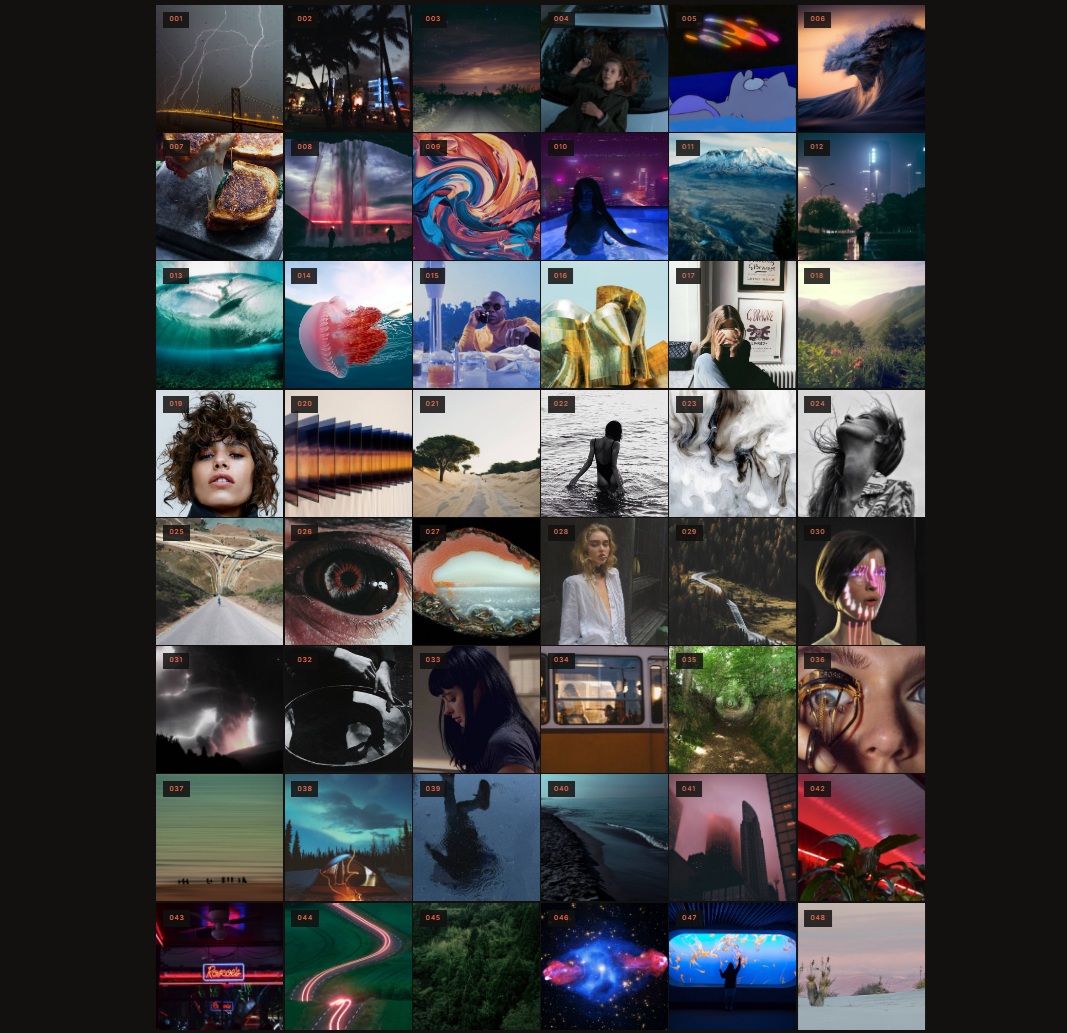
One input folder, one generated sequence — the algorithm finds the rhythm. Great way to sequence images for Instagram
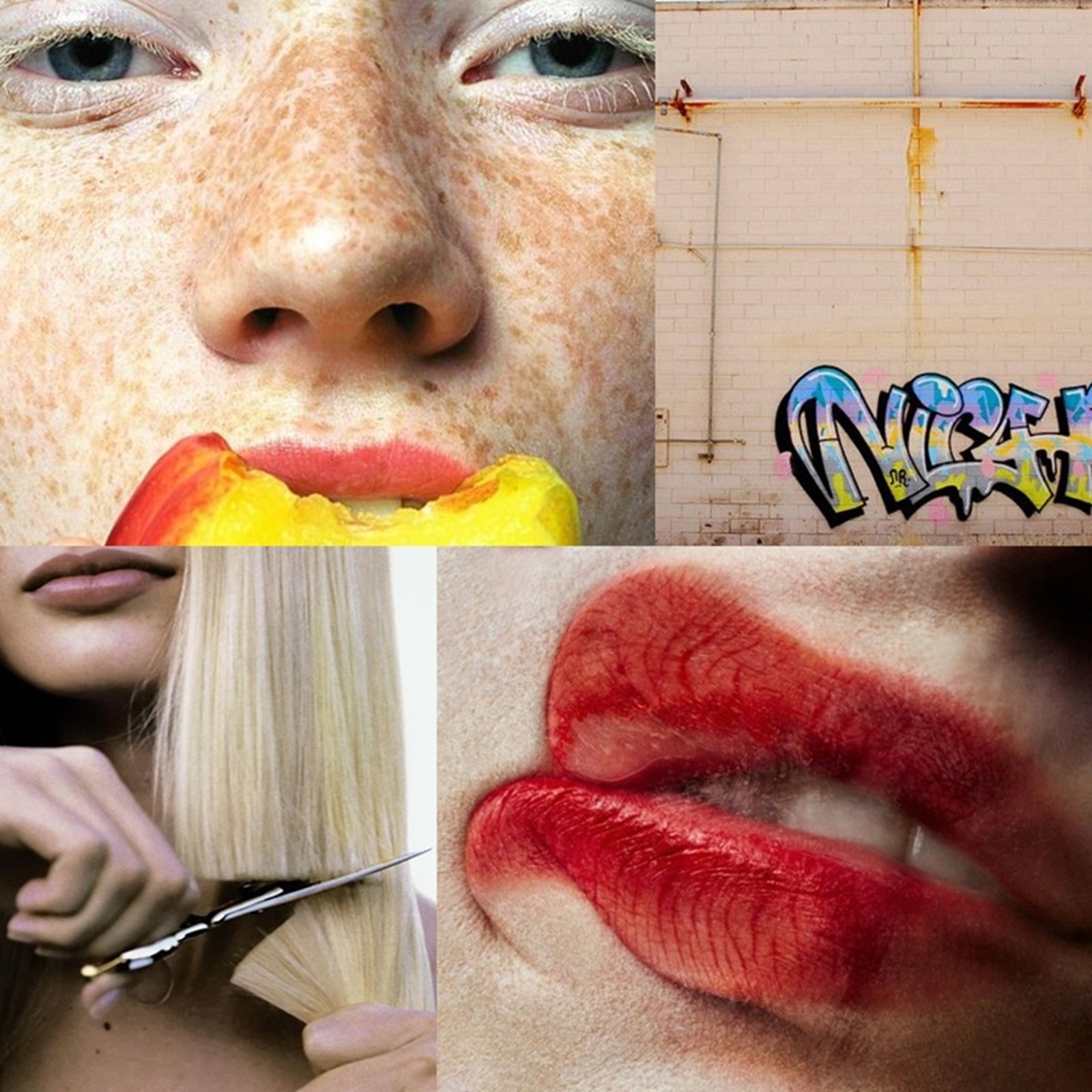
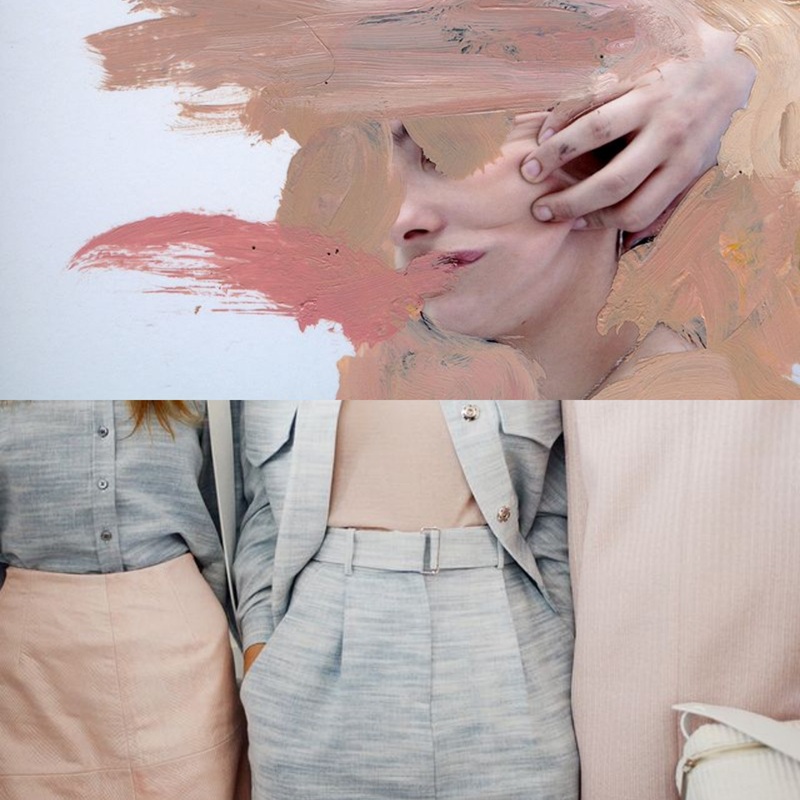
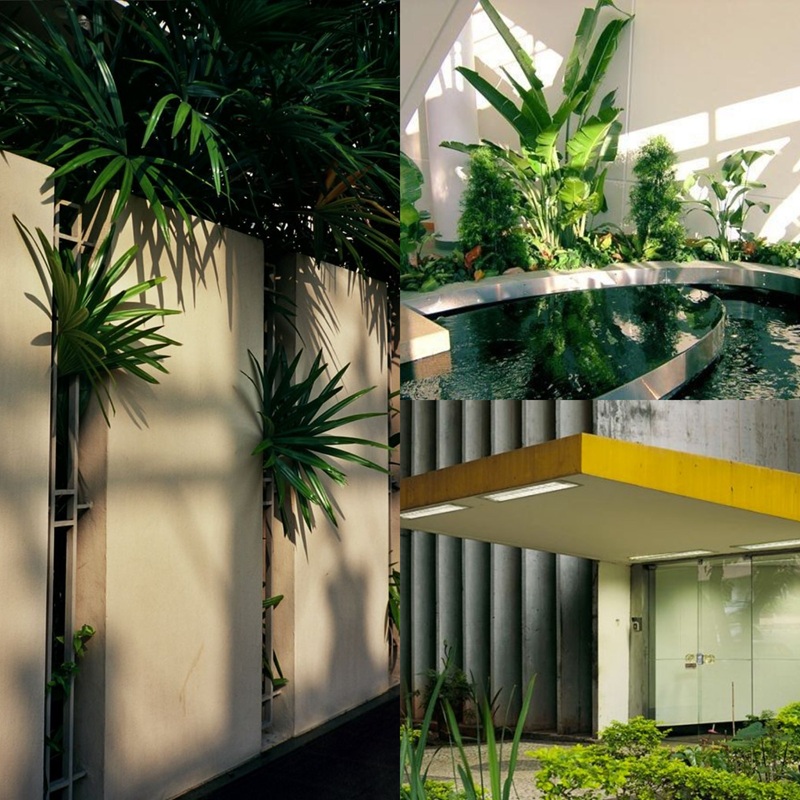
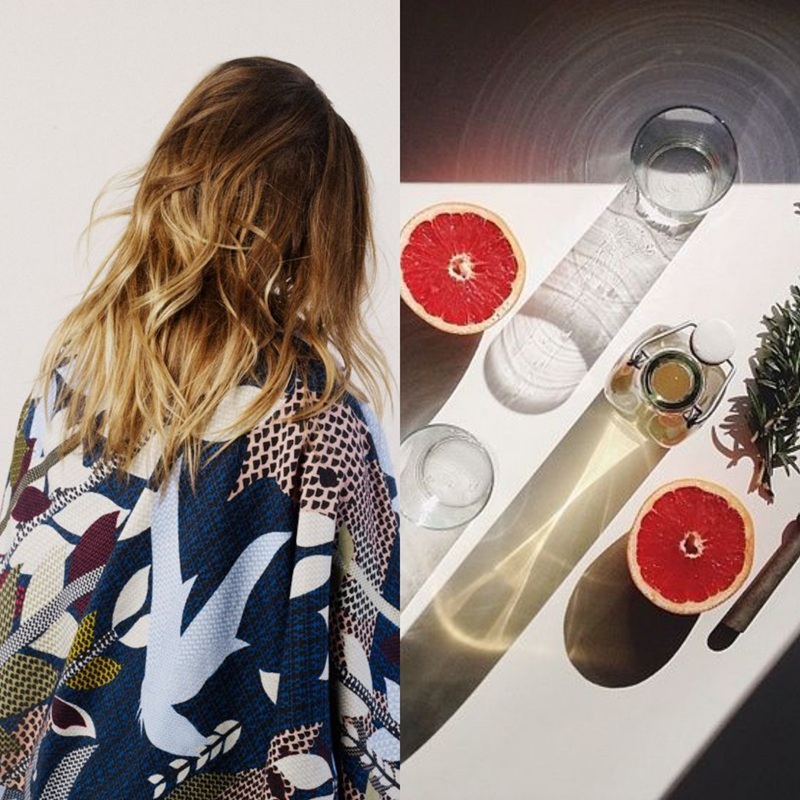
Completed collages pulled from real Cadence sequences. Each began as an unsorted folder; each ended as a cohesive set.
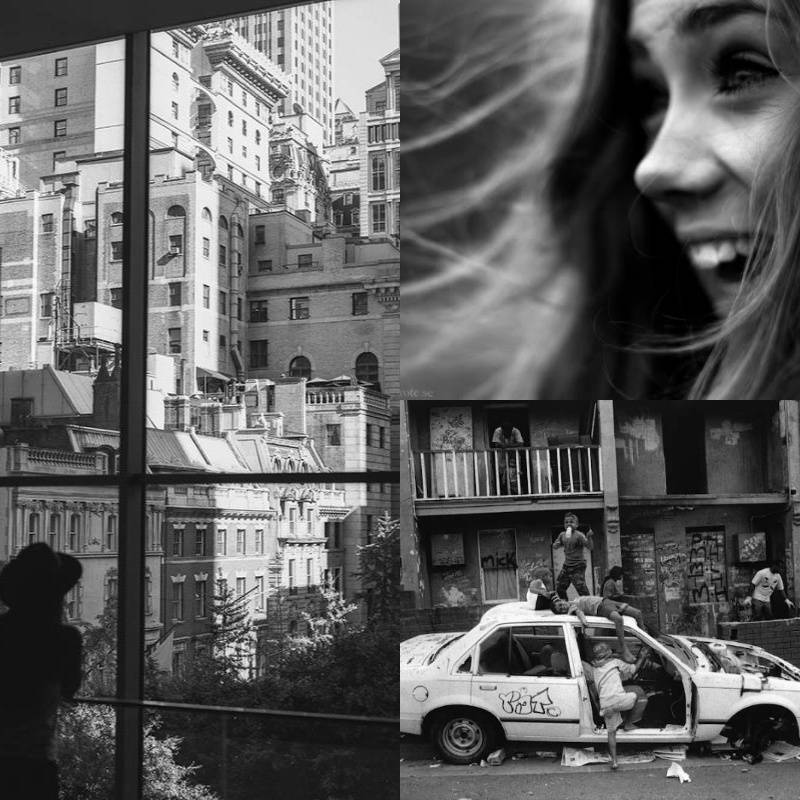
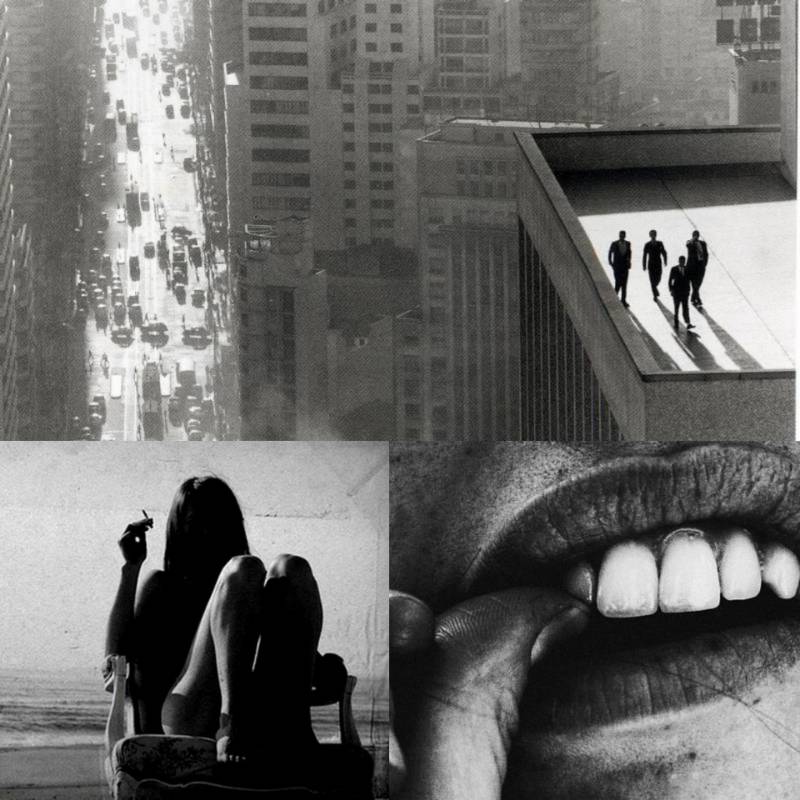
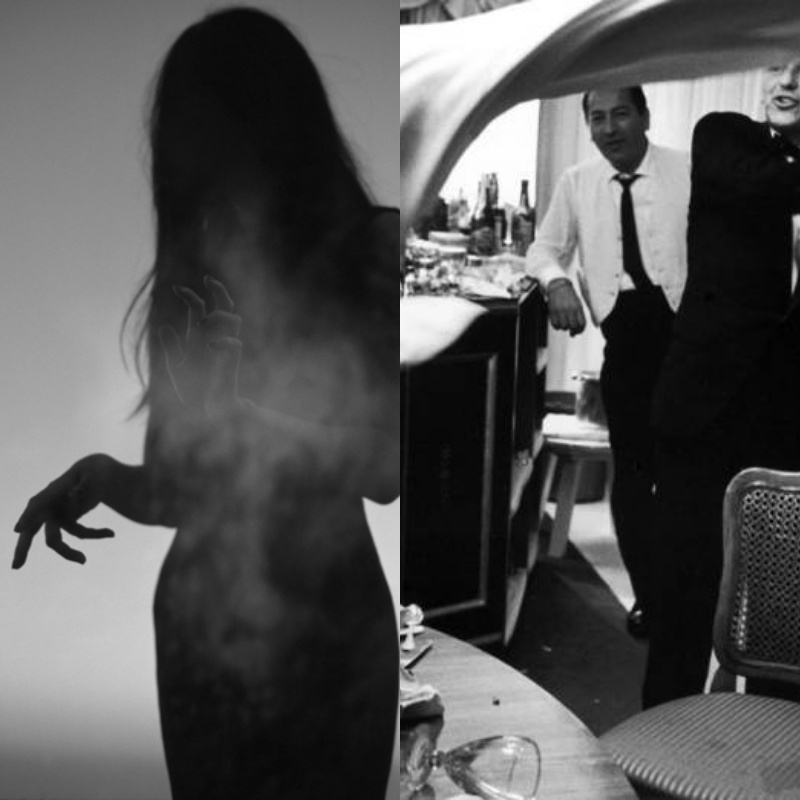
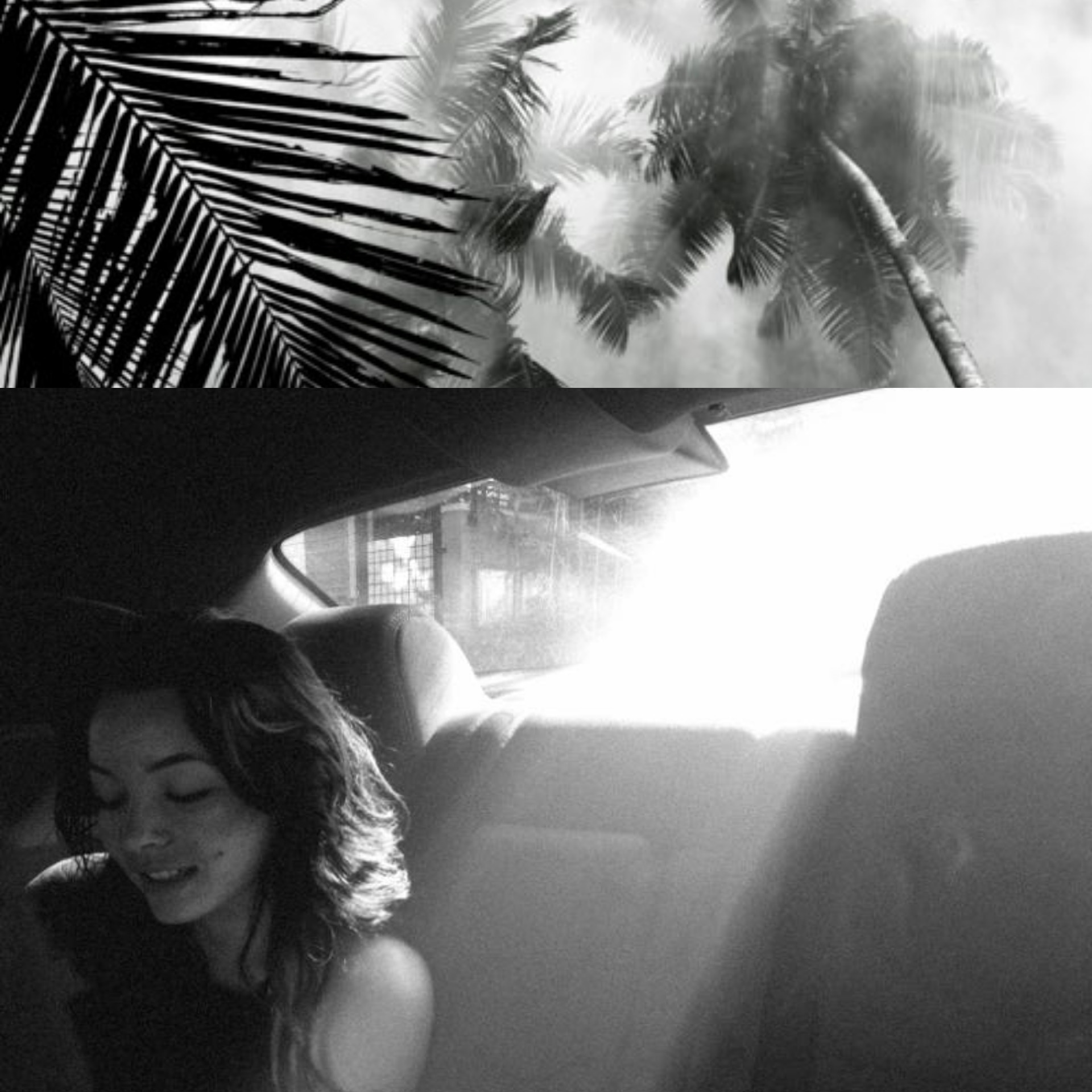

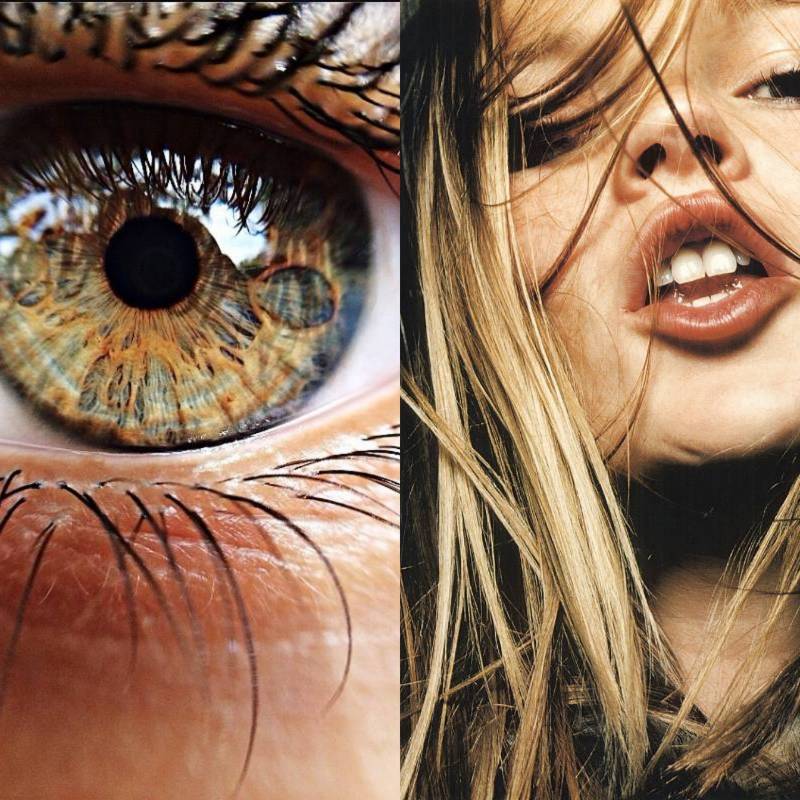
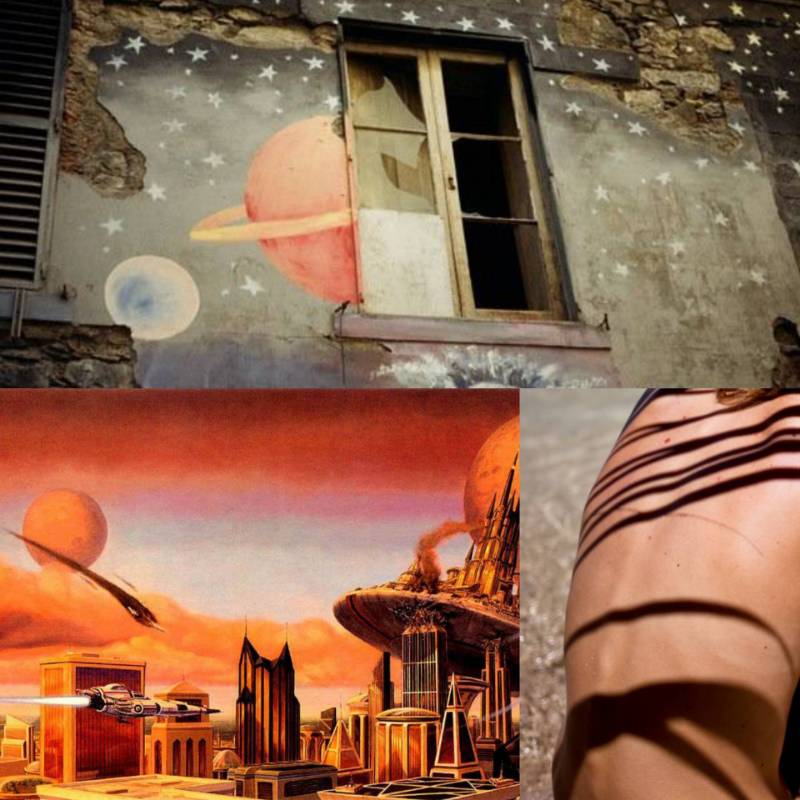
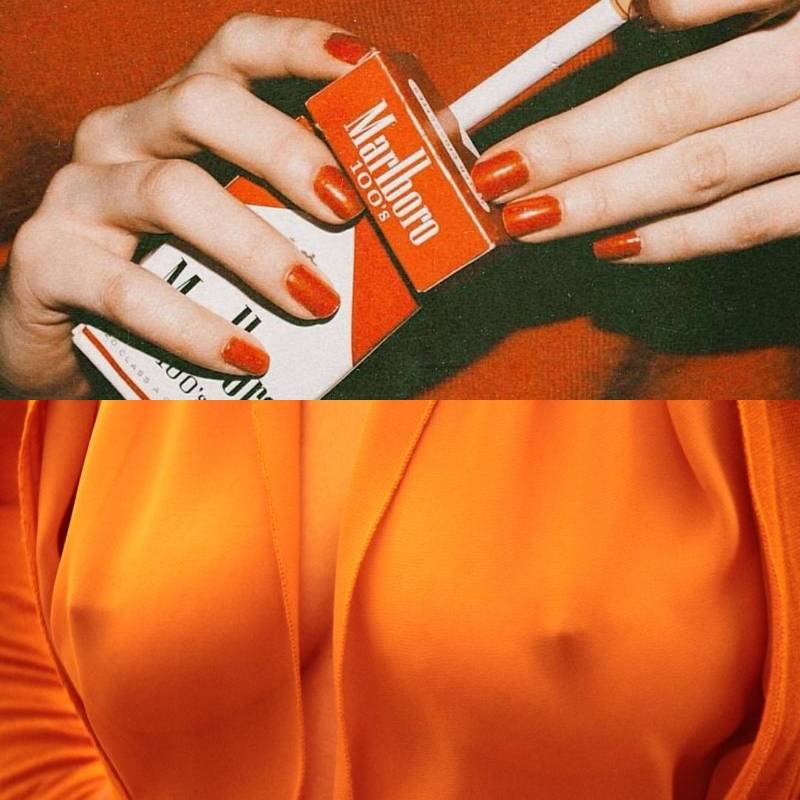
These examples show how Cadence identifies relationships between images that might not be immediately obvious, creating harmonious progressions or groupings that guide the viewer's eye naturally. These groups are perfect for cohesive Instagram posts, portfolios, and website layouts. The ultimate AI photo curation tool.